
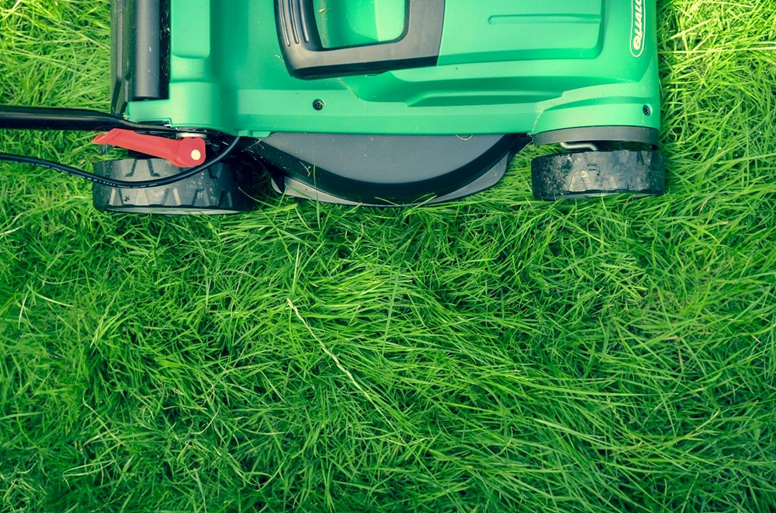
A beautiful green lawn is one of the many joys that come with owning a home, but there is a downside to this, since the things that make lawns look their best, such as water, dense growth, and rich, moist soil, also make them attractive to mosquitoes, ticks, and other pests.
For homeowners in Lake Forest, Illinois, and the surrounding North Shore communities, where humid summers and mature, tree-lined properties are common, this trade-off is especially familiar. The good news is that a green lawn and a pest-free yard aren't mutually exclusive.
However, with proper care practices and careful planning, you can have a thriving green lawn without attracting pests that could ruin your outdoor get-togethers.
Here's how to strike that balance.
1. Mow at the Right Height and Frequency
Mowing your lawn too short can stress the roots and make it susceptible to weed infestation. On the other hand, if you keep the grass too long, the cool, shaded spots will serve as resting places for mosquitoes and ticks when temperatures are high. Hence, ensuring your lawn is mowed at a moderate height of about 3 to 4 inches will aid in strong root development, thereby creating no humid microhabitat for pests.
If your mosquitoes are still a major problem despite having a good mowing practice, then it would be wise to combine it with guaranteed mosquito reduction services in Lake Forest, which focus on the breeding and resting places of the insects.
2. Water Deeply, Not Frequently
Frequent, shallow watering keeps the top layer of soil damp and encourages shallow root systems, both of which favor mosquito larvae and fungal growth. Lawns generally do better with about one inch of water per week, applied in one or two deep sessions rather than a daily sprinkle.
Watering in the early morning also gives grass blades time to dry before evening, when mosquitoes are most active and humidity lingers longest. This approach not only produces deeper, drought-resistant roots but also removes one of the easiest breeding opportunities mosquitoes have in a residential yard.

3. Eliminate Standing Water Around the Yard
Mosquitoes don’t need much water to lay eggs. In fact, it can be something as small as an overflowing gutter, a broken toy, or even the plate under your plant pot.
Research shows that eliminating standing water is one of the most effective nonchemical methods homeowners can use to reduce mosquito breeding in their yards.
That said, inspect your yard regularly for any standing water in your bird bath, wheelbarrow, tarp, or other areas that may retain water after it rains.
Fixing drainage problems in your lawn addresses the issue structurally, rather than requiring manual maintenance.
4. Manage Thatch and Yard Debris
A buildup of thatch — the layer of dead grass, roots, and organic matter between the soil and living grass — traps moisture and creates shelter for ticks, fleas, and other pests close to the ground. Piles of leaves, grass clippings, or brush left along fence lines and garden beds do the same thing on a larger scale, giving pests a shaded, undisturbed place to breed and hide from predators.
Periodic dethatching or core aeration keeps the lawn breathing properly and speeds up drying after rain, while clearing debris on a regular schedule removes convenient hiding and breeding spots before they become established.
This kind of routine yard hygiene is one of the most overlooked yet effective ways to make a property less attractive to pests, with the added benefit of improving your grass's ability to absorb water and nutrients.
5. Keep Vegetation Trimmed Near the Home
Overgrown shrubs, tall grass along fence lines, and dense ground cover close to the house provide shade and humidity that mosquitoes rely on to survive the hottest parts of the day.
In addition, the Centers for Disease Control and Prevention states that illnesses caused by mosquitoes are the leading cause of disease transmission in the United States, making it important to minimize resting sites around residential areas.
Trimming shrubs back from the foundation, keeping grass edges tidy, and creating a small buffer of sunlight and airflow around the home's perimeter all help disrupt the shaded, still-air conditions mosquitoes prefer.
6. Build Professional Treatment Into Your Routine
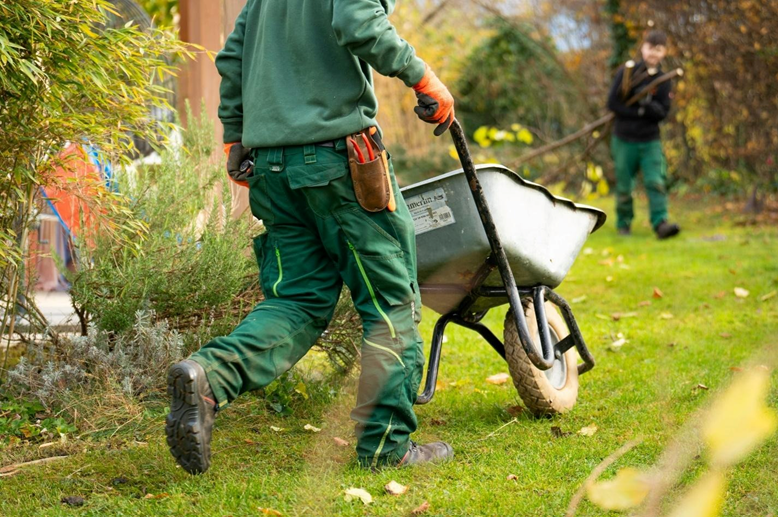
Even a well-maintained lawn benefits from periodic professional attention, especially in yards with mature trees, ponds, or heavy foliage, where breeding sites can be difficult to spot on your own. Trained technicians can identify species-specific breeding grounds, apply eco-conscious treatments tailored to a property's layout and moisture levels, and time applications to match the local mosquito season rather than guessing at intervals.
Many programs also include regular re-inspections between visits, which catch new breeding sites that pop up after heavy rain or a stretch of humid weather. Combining this kind of targeted, recurring treatment with the everyday habits above — proper mowing, smart watering, and debris control — gives homeowners the best of both worlds: a lawn that looks great and a yard that's actually comfortable to spend time in.
Final Thoughts
Keeping a lawn green doesn't have to mean tolerating mosquitoes and ticks as the price of admission.
Small, consistent changes to mowing, watering, and yard upkeep go a long way toward making a property less hospitable to pests, without sacrificing the healthy grass you're working to maintain. But this involves being consistent, because while a cleaning job after it rains may work well enough for a few days, pests will simply migrate back once things get back to normal.
By establishing this habit as part of your regular lawn maintenance, and consulting professionals when needed, your outdoor space will stay healthy, beautiful, and pest-free throughout the season.