
A comfortable home should let you relax without checking the kitchen corners, avoiding certain rooms, or wondering what may be hiding nearby. When pests move in, even a small problem can affect your sleep, daily routine, and enjoyment of your space, while repeated sightings can leave you feeling frustrated. Store-bought sprays may seem like an easy answer, but temporary results can become tiring when the same pests return.
A professional approach can make things easier by finding where pests are coming from, treating the areas that need attention, and helping prevent them from returning. Instead of spending your time chasing pests, you can focus on keeping your home pleasant and peaceful.
Here is how professional extermination can make your home feel cleaner, calmer, safer, and easier to enjoy.
1. Eliminate Unwanted Pests from Your Living Spaces
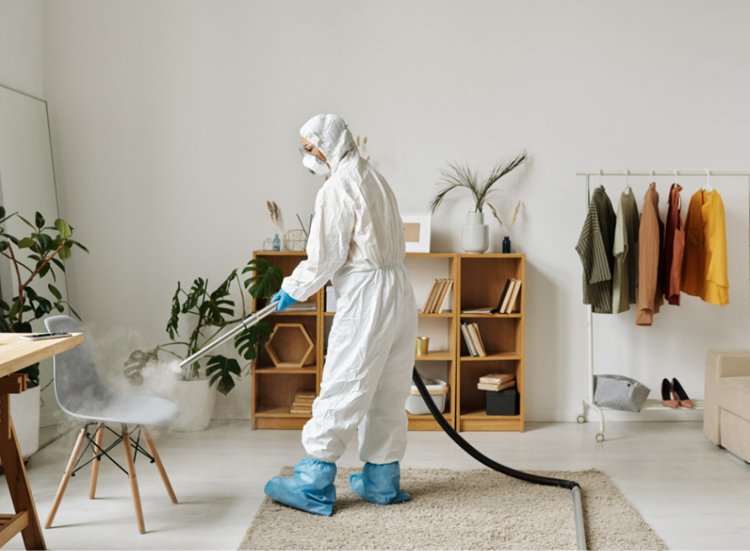
When ants cross your kitchen counter, roaches appear in the bathroom, or rodents make noise at night, it becomes harder to feel comfortable at home. A professional exterminator can identify the pest and use a treatment suited to the problem instead of leaving you to guess which store-bought product might work. This gives you a more direct way to deal with unwanted pests.
Professional pest control also looks at where pests are active throughout your home. Depending on the pest, treatment may focus on areas where they hide, feed, or move around, helping reduce the activity you notice in your daily life. As a result, you can use your kitchen, bedroom, bathroom, and other living spaces without constantly watching for pests.
Once the pest problem is under control, small parts of your routine can become easier. You can prepare meals without checking every surface and relax without wondering what might appear next. In that way, removing unwanted pests helps restore the comfort you expect from your home.
2. Identify And Address Entry Points That Attract Pests
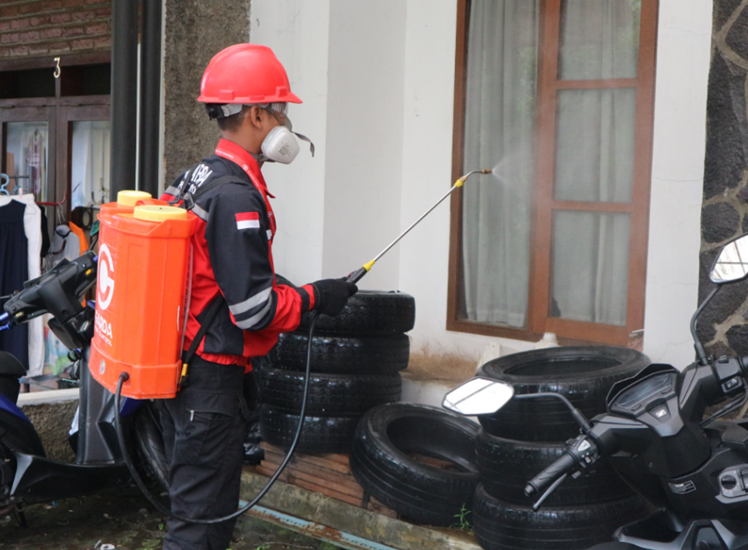
Pests usually do not appear inside your home without a reason, so finding how they get in can be an important part of professional pest control. During an inspection, a technician can look for gaps, cracks, openings, and other areas that may give pests access to your living spaces. They can also identify conditions around the property that may encourage pest activity.
Once these trouble spots are found, they can become part of your pest-control plan. Exterior and perimeter treatments can help manage pest activity around the home, while addressing entry points can make it harder for unwanted pests to reach indoor areas. This approach looks beyond the pest you see and considers what may be allowing the problem to continue.
That can make your home feel more comfortable because you are not simply reacting to each new sighting. Instead, you are dealing with some of the conditions that support pest activity around your property. With fewer opportunities for pests to enter, your living spaces can become easier to enjoy.
3. Use Targeted Treatments That Fit Your Home's Needs

Not every pest problem is the same, so your home may need a different approach from your neighbor's. A professional can consider the pest, where it is active, and how it enters before choosing a treatment. This keeps attention on problem areas instead of treating your home without a clear reason.
Integrated Pest Management can make this approach more useful. It combines inspection, monitoring, prevention, and carefully chosen treatments to manage pest activity. It also considers conditions that allow pests to stay or return, rather than focusing only on what you see.
A treatment that matches your home's needs is easier to understand and manage. You know what is being treated and why, which can feel more reassuring than trying several products alone. When the plan fits the problem, you can feel more comfortable about the results.
4. Protect Your Property from Pest-Related Damage
Some pests affect more than comfort because they may damage your home. Termites can remain hidden while harming wooden parts of a structure, while rodents may chew materials in walls, attics, and other spaces. Addressing these threats early can help protect your property.
A professional can inspect for termite or rodent activity and look for possible entry points. Termite services may include inspection, treatment, prevention, and monitoring to help catch new activity. Rodent control can also focus on signs of activity and openings around the property.
This protection can make your home feel safer. You are not only dealing with the pest you see today but also watching for problems that could affect your property later. Knowing these risks are being checked can remove another worry.
5. Prevent Future Infestations with Ongoing Pest Control
Getting rid of pests today is helpful, but it can be frustrating when they return. Ongoing pest control takes a proactive approach by checking for new activity and addressing trouble spots before they become larger problems. This matters because pest activity often changes with the seasons.
Regular service can include inspections, exterior treatments, and attention to places where pests may enter. Perimeter pest control focuses on the outside of your home, helping limit access to living spaces. A treatment plan can also change as conditions around your property change.
With ongoing care, you do not have to wait for a major infestation before acting. Pest control becomes part of maintaining a comfortable home throughout the year. You can spend less time worrying about what may crawl, bite, sting, or hide next and more time enjoying daily life.
Conclusion
Your home should be a place where you relax without constantly looking for pests. Professional pest control can help by combining inspection, proper treatment, property protection, and prevention based on your home's needs.
When pest problems are handled before they take over your routine, you can use your living spaces with less stress. You can also feel confident that your home is being cared for while future problems are being reduced.